







Search Results for: Pour-Over Tasting
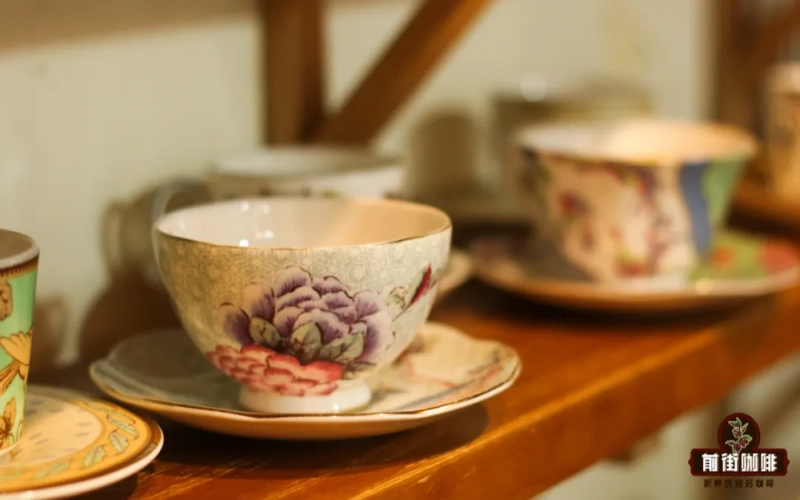
Is a coffee tasting cup worth buying? Does a aroma cup provide any real help in enhancing aroma? Training ideas for sensory perception of pour-over flavor
Coffee drinkers often run into a question: those uniquely shaped tasting cups—do they really help us better perceive flavor, or are they just a waste of money? This time, Front Street will start with the origins and design logic of tasting cups, breaking down clearly the reasons why a cup affects taste and smell. It will also discuss whether aroma cups are actually useful, and how we can train our flavor perception in everyday pour-over brewing. If you've ever stood indecisively in front of a row of cups, or want the pour-over in your hands to taste more layered, this article will offer some practical reference. [more…]

Master the Core Methods of Coffee Tasting: A Five-Step Pour-Over Coffee Guide from Beginner to Expert
Many people, when faced with a cup of coffee, often struggle to find the right words to describe its flavor. In fact, this is not due to an insufficient vocabulary, but rather because they have not yet mastered the method of tasting. This article will systematically organize the complete framework of coffee tasting for you. Starting from Front Street Coffee's practical experience, it breaks down the five key steps of pour-over coffee tasting to help you build a reusable tasting logic. Whether you are a beginner who has just encountered specialty coffee or an enthusiast hoping to improve your sensory acuity, this method can help you more accurately capture the aroma, acidity, sweetness, and aftertaste of coffee in every brewing and tasting session, and truly understand what a cup of coffee is trying to express. [more…]
Single-Origin Coffee Tasting for Absolute Beginners: A Learning Path and Sensory Training Methods for Pour-Over Flavor Description
For beginners who are just getting into specialty coffee, learning to taste single-origin coffee and accurately describe the flavor of pour-over coffee is not something that happens overnight. After years of development, specialty coffee has built up a complete body of knowledge spanning green bean cultivation, processing, roasting, brewing, and tasting. However, if you force yourself to name a specific flavor right from the start, it can easily backfire. Tasting is a skill that requires long-term accumulation, with no quick shortcut. Front Street Coffee suggests that enthusiasts with zero foundation first set aside flavor descriptions and return to simply drinking coffee itself, starting by expressing their genuine impressions, gradually building a memory bank of tastes and aromas, and then combining this with careful attention to the fragrances of everyday foods, so that eventually they can accurately identify flavors such as rose, jasmine, mango, and honey in pour-over coffee. [more…]

Introduction to Coffee Tasting: Flavor Description Methods and Characteristics of Pour-Over Coffee, from Aroma to Aftertaste
Tasting specialty coffee is like tasting wine: you must not only drink it, but also learn to perceive and express it. This article unfolds from two levels: the tasting process and the tasting dimensions. First, it lays out the complete steps of smelling dry aroma, wet aroma, and tasting at high and low temperatures; then, drawing on the subdivided COE cupping categories—aroma, cleanliness, sweetness, acidity, mouthfeel, flavor, aftertaste, and balance—it explains one by one how to describe the flavor of a cup of coffee. At the same time, it answers why we use "flavor" rather than "taste" to express coffee, and introduces the characteristics of pour-over coffee in terms of aroma layering and mouthfeel performance. The article also combines recommended products from Front Street Coffee to help enthusiasts build a systematic tasting framework, making every brew a well-grounded sensory exercise. [more…]
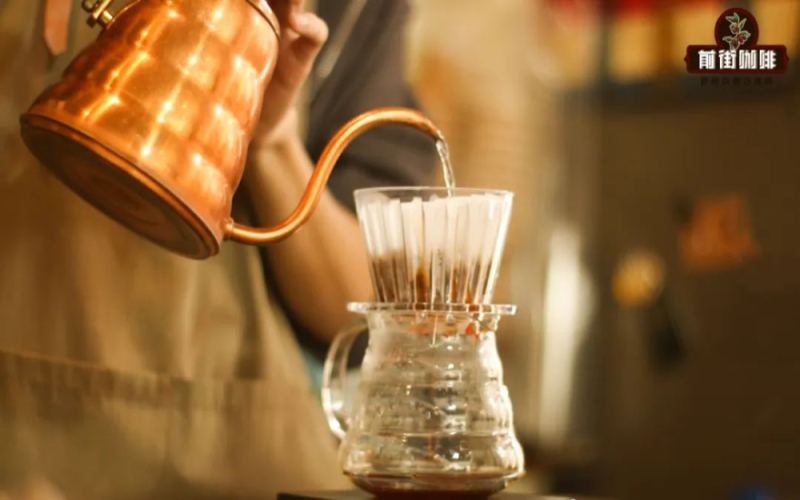
An Introduction to Pour-Over Coffee Tasting: From Aroma to Mouthfeel, How to Read a Cup of Coffee
Compared to the straightforward expression of espresso, pour-over coffee presents its flavors more subtly, and tasting it requires more patience and method. From the perspective of Front Street, this article systematically sorts out the tasting path for pour-over coffee: from the dry aroma after grinding to the wet aroma during brewing, from the sweet, sour, bitter, and salty tastes brought by water-soluble substances to the flavor identification involving retronasal olfaction, and then to the mouthfeel experience determined by insoluble substances. The article also analyzes the causes of richness and thinness, the sources of astringency, and the influence of roast level on mouthfeel, helping coffee enthusiasts establish a correct tasting framework before identifying specific flavors and find a more efficient way to perceive them. [more…]
Pour-Over Coffee Tasting Guide: Judging Extraction Success and Light/Dark Roast Flavor Differences Through Balance, Finish, and Aroma
The most direct way to judge whether a cup of pour-over coffee is successful is to drink it. But to truly improve your brewing skills, intuition alone is far from enough—you also need to master a systematic tasting method. From the perspective of Front Street, this article simulates the evaluation process from the customer's role after a barista serves a cup of pour-over, unfolding along three dimensions: first, confirming there are no strong negative tastes; second, sensing whether the mouthfeel is relatively balanced; third, paying attention to whether the aroma continues to be released. At the same time, combined with extraction examples of light-roast and dark-roast beans, it explains the relationship between flavor expression and parameter adjustment under different roast levels, helping coffee lovers build a clear tasting framework. [more…]

Coffee Flavor Tasting | Can drinking ice water before drinking pour-over coffee help you taste more flavors? What role does ice water play in the coffee tasting process?
"By rinsing our mouths with ice water, we can better appreciate a cup of coffee and more easily capture its delicate flavors." This is a saying that has long circulated in the community. That's why we often see customers in cafés, after ordering their coffee, ask the barista for a cup of ice water, and their main purpose is precisely this. [more…]

A Beginner's Guide to the Five Dimensions of Coffee Tasting: From Aroma to Aftertaste, Learn to Describe Pour-Over Coffee Flavors Like a Pro
When sharing a pot of pour-over with friends, have you ever found yourself at a loss for words, managing only a strained "this coffee tastes really strong"? In fact, describing coffee isn't a talent—it's a skill that can be learned and mastered. Once you understand the five core dimensions of tasting—aroma, taste, flavor, body, and aftertaste—you'll be able to break down and express the sensations of every sip just like a professional barista. In this article, Front Street Coffee will guide you through these five entry points one by one, and with the help of tools like the flavor wheel, turn vague taste associations into something concrete and clear. From beginner to proficient, you'll discover that coffee description follows learnable patterns, and the joy of tasting truly unfolds from there. [more…]

Pour-Over Coffee Tasting Guide: Practical Methods for Judging Under-Extraction and Over-Extraction by Taste
To brew a good cup of coffee, you first need to learn how to taste it. Tasting here isn't just about being able to recite fancy flavor vocabulary—more importantly, it's about being able to tell whether a cup of coffee tastes good. Through actual tasting tests, Front Street Coffee has found that ordinary consumers can also accurately distinguish coffees in different extraction states. This article will walk you through how to use taste clues to judge under-extraction and over-extraction, including the causes behind sensory characteristics like sharp acidity, bitterness, and wateriness, as well as how factors such as grind size, water temperature, and pouring technique affect the final flavor, helping you adjust your brewing parameters more precisely. [more…]
From Aroma and Color to Sipping and Tasting: Mastering the Four Key Steps and Temperature Control of Pour-Over Coffee Tasting
A good cup of coffee deserves our serious attention from the moment it is set before us. Many people rush to take a sip as soon as they receive their coffee, but a complete tasting actually follows a careful procedure—first smell its aroma, then observe its color, then slurp loudly so the coffee liquid is fully atomized and coats the entire mouth, and finally smell the aroma lingering at the bottom of the cup to capture those shifting fruity and floral notes. Beyond the steps, temperature is equally key to how flavors express themselves: about 83°C at the moment of brewing, about 80°C when poured into the cup, and ideally 61 to 62°C when sipped. This article systematically lays out the correct way to drink pour-over coffee, from operational details to sensory experience, and explains the sources of bitterness, acidity, sweetness, aroma, and astringency in coffee, helping you taste layers and surprises in every sip. [more…]
Flavor Characteristics of Pour-Over Coffee | How Can Coffee Beginners Taste a Cup of Pour-Over Black Coffee? From Which Aspects Should You Describe the Flavor of Single-Origin Coffee?
Introduction: Tasting coffee is like tasting wine. When we savor a cup of specialty coffee, we naturally have the desire to discern its flavors and express them. How should one taste a cup of coffee? This question can be broken down into two aspects: one is about the process of tasting coffee, and the other is about the perspective from which to approach [more…]

The Basic Process of Coffee Tasting | How do you properly taste coffee? What are the steps in coffee tasting? How do you describe the flavor of pour-over black coffee?
For more specialty coffee knowledge, please follow our WeChat official account: FrontStreet Coffee. Tasting coffee is like tasting wine—when we savor a cup of specialty coffee, we naturally aspire to discern its flavors and express them. Since many of our readers have given feedback about coffee tasting-related [more…]

Why Drink Iced Water Before Coffee Tasting? The Origins of Espresso with Iced Water and an Analysis of Its Applicability to Pour-Over
When ordering at a café, you'll often see a glass of ice water served alongside an espresso, and many enthusiasts are in the habit of drinking ice water before their coffee. Can this glass of ice water actually help us perceive coffee flavors more clearly? Front Street Coffee will approach this from the perspective of oral sensory cleansing, explaining how ice water enhances the tasting experience by rinsing away residue, stimulating saliva production, and numbing the palate through low temperature, while also tracing the origins of this practice in espresso culture. It will also discuss whether pour-over coffee is suited to the same approach, and why room-temperature water is gentler on the stomach and intestines. [more…]
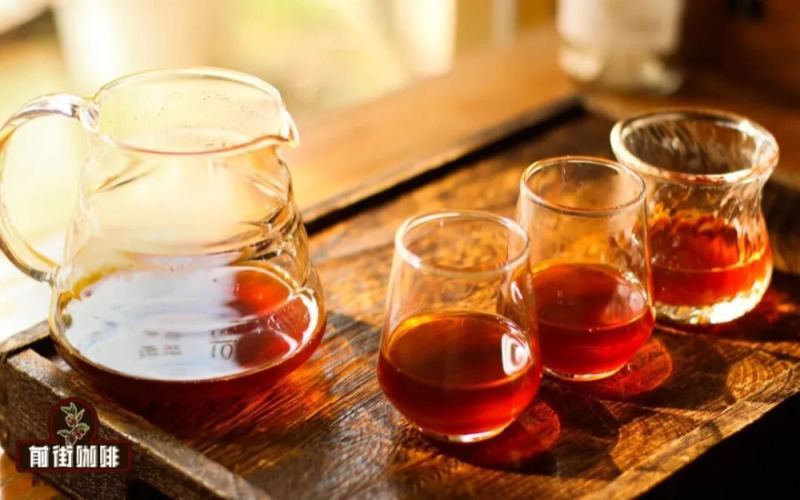
A Guide to Tasting Pour-Over Coffee at Different Temperature Ranges: How High, Medium, and Low Temperatures Affect the Perception of Sourness, Sweetness, and Bitterness
When tasting specialty coffee, temperature is one of the most intuitive clues for interpreting flavor. The three tastes in coffee—acidity, sweetness, and bitterness—show markedly different intensities as temperature changes: high temperatures suppress bitterness and dull sweetness; the mid-temperature range offers the keenest perception of acidity and sweetness, with the richest flavor layers; low temperatures tend to expose negative flavors, with bitterness rising and sweetness falling. Starting from the principles of sensory perception, this article systematically sorts out the key tasting points across three stages—high temperature (50–75°C), mid temperature (35–50°C), and low temperature (<35°C)—and, using two beans, Front Street Wanderer Estate Geisha and Front Street Queen Estate, as examples, fully records the flavor trajectory from hot to cool, helping coffee enthusiasts read a cup of pour-over coffee more comprehensively. [more…]

How can you tell the processing method from a single sip of coffee? Flavor differences between natural and washed coffees and key points for pour-over tasting
In coffee tasting, accurately identifying the processing method is an advanced skill. Starting from the daily demos at Front Street stores, this article breaks down the core differences between the two classic processing methods—natural and washed—and recommends two representative beans from Ethiopia's Yirgacheffe region: Natural Red Cherry and Washed Kochere. Through comparative tasting, readers can capture the flavor characteristics brought by different processing methods and gradually develop the ability to tell them apart in a single sip. [more…]
Building Coffee Sensory Skills from Scratch: A Practical Training Path for Specialty Pour-Over Single-Origin Tasting and an Analysis of SCA Courses
Specialty coffee has developed into a complete knowledge system spanning everything from cultivation and processing to roasting and brewing, and tasting is an indispensable part of it. When faced with professional courses such as Q-Grader and SCA sensory tasting, how should beginners choose? This article offers practical training advice on three levels—accumulating experience through drinking more, distinguishing tastes before discussing flavor, and understanding how flavor is composed—to help coffee lovers gradually build their own flavor memory bank through everyday drinking and describe a cup of coffee's taste and aroma as accurately as a professional. [more…]
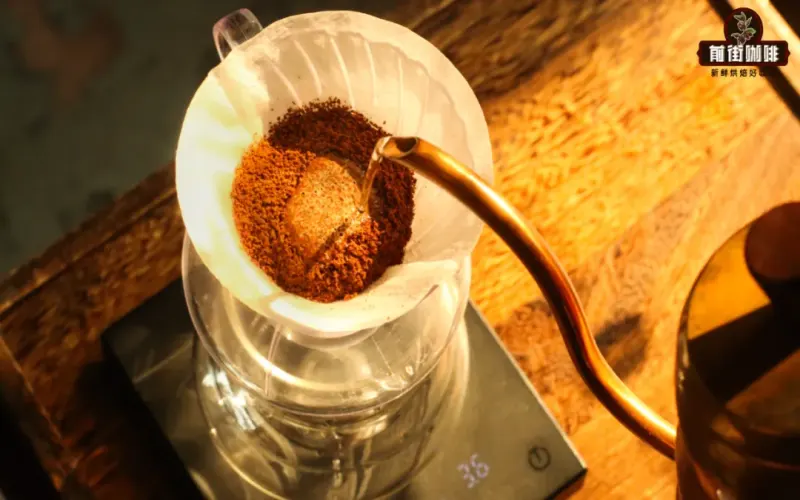
An Analysis of Flavor Differences Between Hot and Iced Pour-Over Coffee: A Professional Tasting Comparison from Temperature to Brewing Parameters
When buying coffee beans at a coffee shop or a Front Street location, many coffee enthusiasts ask the same question: for single-origin pour-over coffee, is it better hot or iced? Why is the flavor of hot pour-over coffee often more intense and prominent than iced pour-over? This article will start from the effects of coffee temperature on taste bud perception and aroma volatilization, deeply analyze why hot drinks make it easier to taste flavor, and at the same time explain the special adjustments in brewing parameters for iced pour-over—how operations such as reducing the amount of water, increasing the ratio of grounds to ice, and grinding finer affect the final flavor performance. The article also takes Front Street Ethiopia Huakui as an example, separately presenting a comparison of tasting results between hot brewing and iced brewing, to help readers fully understand the respective flavor characteristics and suitable scenarios of the two brewing methods. [more…]

Should Pour-Over Coffee Tasting Also Involve Slurping? An Analysis of the Principle and Practical Application of This Action in Cupping
Slurping is a tasting technique commonly used in cupping. By atomizing the coffee liquid, it amplifies flavor and aroma, while the airflow lowers the temperature, making the taste perception more complete. As this action has gradually been accepted by more enthusiasts, many people also try it when drinking pour-over coffee. So, does pour-over coffee also need slurping? What are the similarities and differences between it and slurping in cupping? Starting from the definition of slurping and its two major roles in cupping, this article will analyze the rationality and precautions of using slurping in the pour-over scenario, and include scientific slurping steps to help coffee lovers perceive the flavors in the cup more accurately. [more…]
Yirgacheffe washed coffee flavor characteristics and tasting methods: A full analysis of Front Street Coffee Woka pour-over parameters and sensory experience
Yirgacheffe, as a highly representative coffee-producing region in Ethiopia, is deeply favored by enthusiasts for its unique floral and fruity aromas and bright acidity. Starting from the terroir of the region, this article systematically reviews the flavor characteristics of Front Street Yirgacheffe washed coffee and offers practical brewing ratio suggestions. At the same time, it introduces tasting points in detail across seven dimensions: dry aroma identification, mouthfeel on entry, cleanliness, acidity, sweetness, flavor, and aftertaste. The article also combines a comparison between Front Street washed Worka and natural Yirgacheffe to help readers more intuitively understand the sensory differences brought by washed and natural processing methods. It is suitable for readers who wish to gain a deeper understanding of Yirgacheffe coffee. [more…]
Jamaican Blue Mountain Coffee Flavor Analysis: A Complete Tasting Guide from Origin and Grade to Pour-Over Extraction
Jamaican Blue Mountain coffee is renowned worldwide for its balanced and elegant flavor, but coffee beans that truly meet CIB standards are scarce, and the grading is strict. This article will guide you through the four major Blue Mountain producing regions, the green bean grading standards, the environmental philosophy of Clifton Estate, and Front Street Coffee's recommended brewing parameters and flavor profile for Blue Mountain No. 1 pour-over. From bean selection to brewing details, it will help you fully master the key tasting points of this legendary coffee and experience the classic Blue Mountain charm where acidity, sweetness, bitterness, and sweetness blend together. [more…]